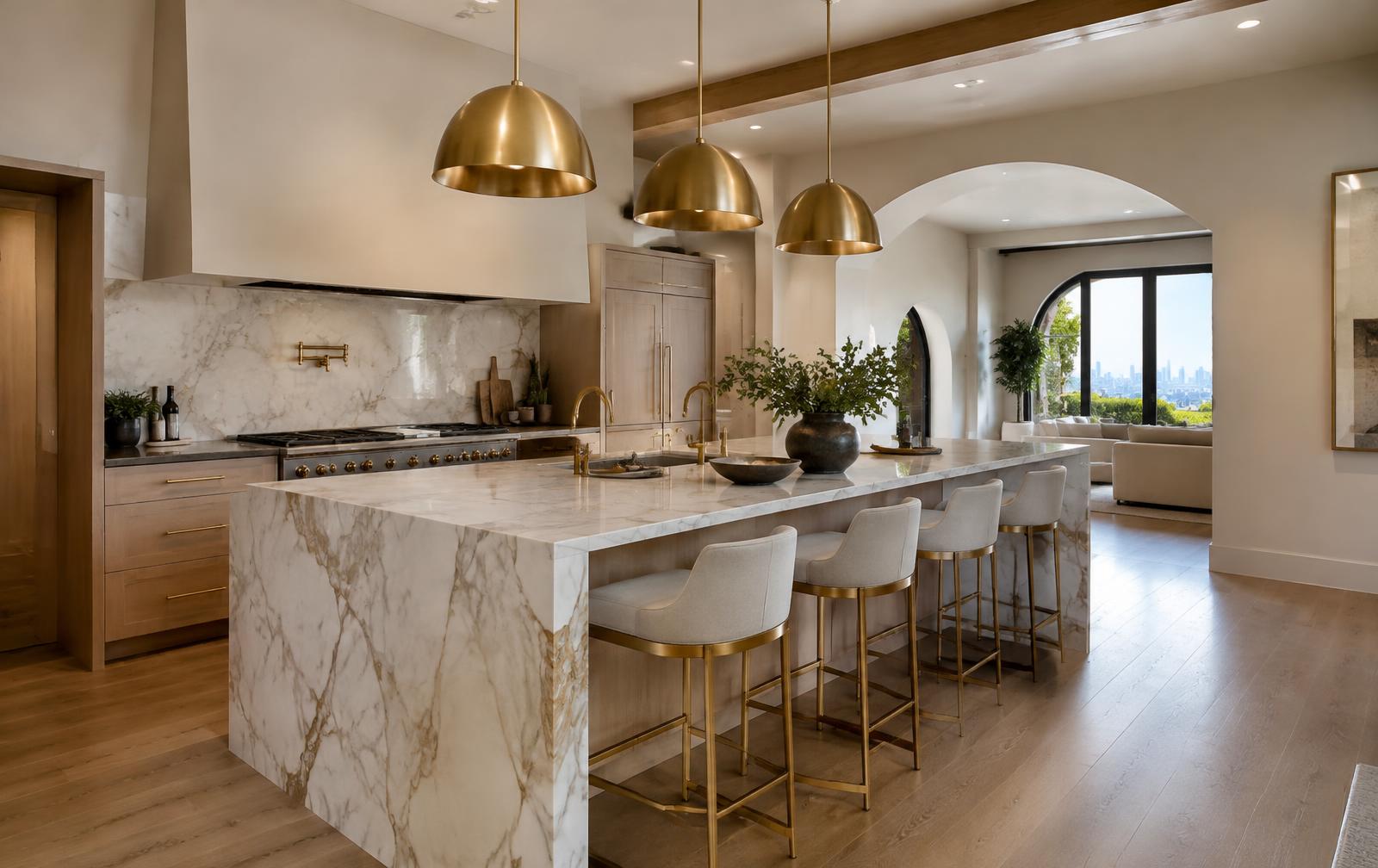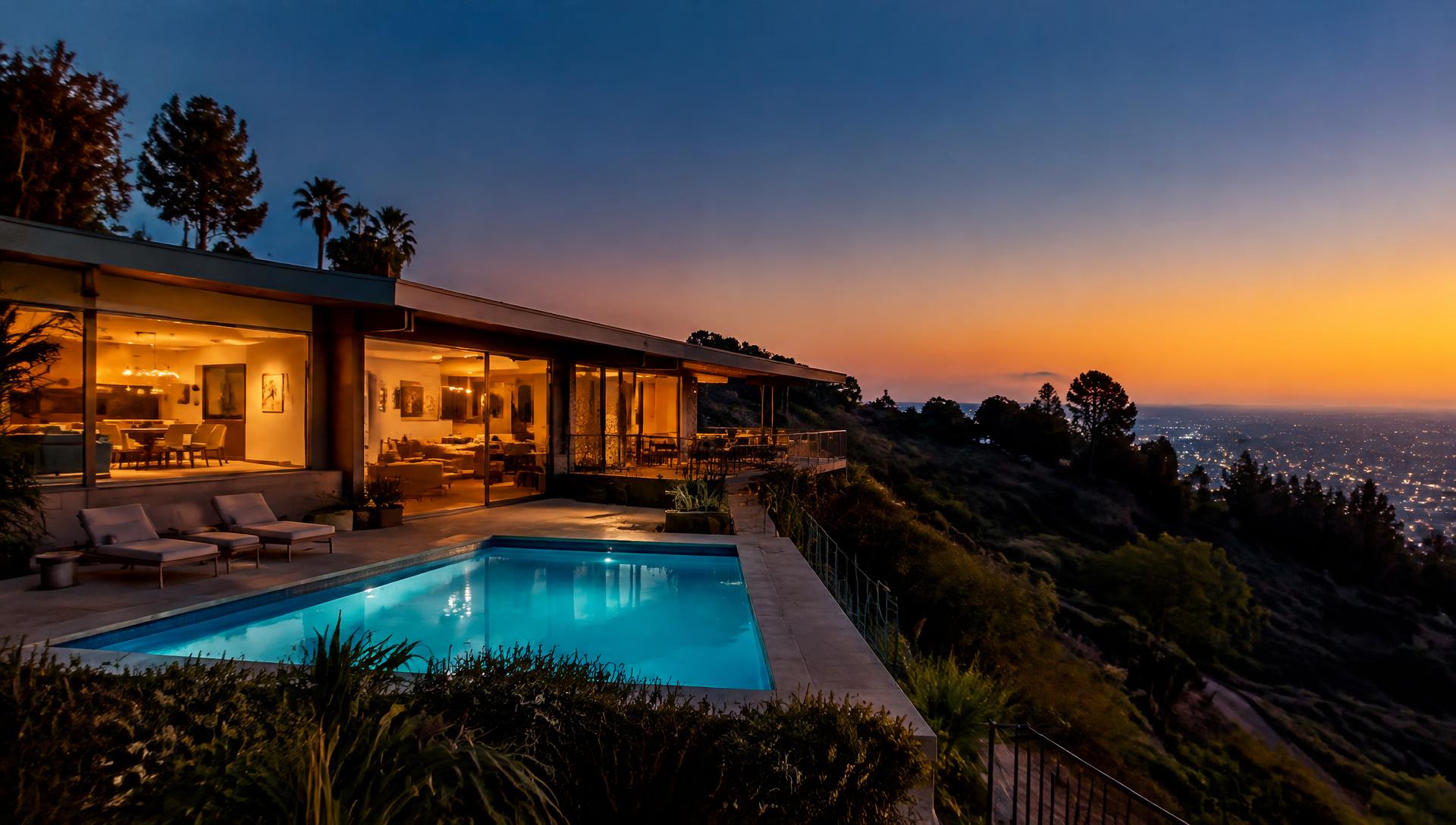
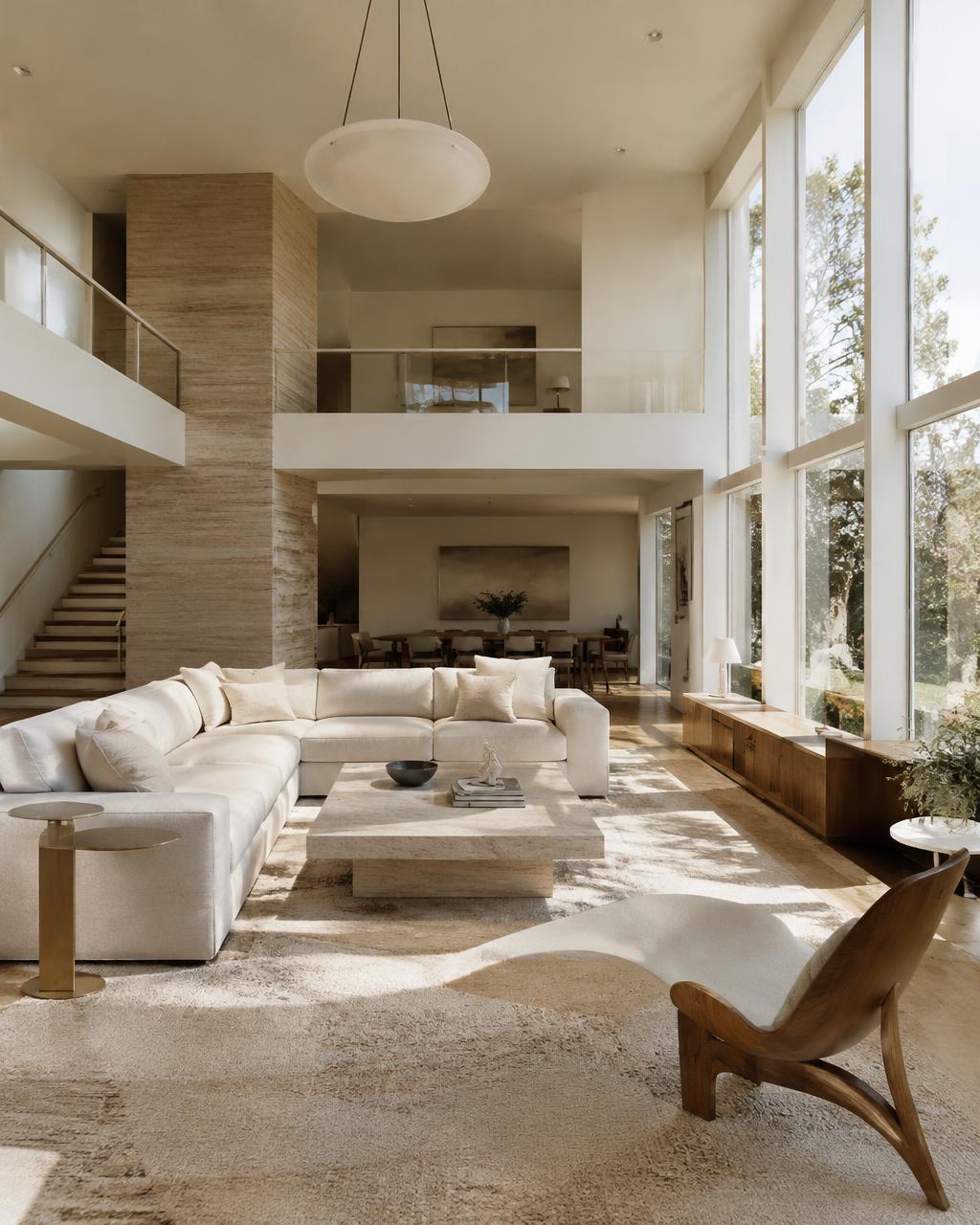
Views, lot slope and mid-century character all move the price of a Baldwin Hills home. Here is how sellers in the Don streets and Baldwin Vista price with confidence.

By Obie Nwabuzor
Founder, Obie Nwabuzor Group · Compass · DRE# 02020522
How should I price my Baldwin Hills view home before selling?
Price your Baldwin Hills view home from the closest verified sales, then account for differences in the view, orientation, lot usability, condition, and presentation. An automated estimate can be a starting reference, but it cannot replace an in-person assessment of how your home compares with properties buyers can actually purchase. Before choosing an asking price, build a defensible value range and a launch plan with clear checkpoints for reviewing buyer response.
Start with the features an automated estimate cannot fully evaluate
Your address and square footage tell only part of the pricing story. In Baldwin Hills, hillside lots, mid-century architecture, and custom view homes make property-by-property comparisons especially important.
An automated estimate may capture recorded sales and basic property characteristics without fully accounting for what you experience standing in the living room or walking through the yard. That is why two homes with similar recorded dimensions can require different pricing strategies.
Evaluate the view from where you actually use the home
A view should be assessed for its visibility, breadth, obstructions, and connection to everyday living—not simply whether the listing can check a view box.
Walk through your home with these questions:
- Where is the view visible? Consider the main living space, kitchen, bedrooms, and outdoor areas separately.
- How do you experience it? A view visible while seated can function differently from one visible only from a particular corner.
- What interrupts it? Note structures, vegetation, window placement, and other visible limitations.
- How does the floor plan connect to it? Consider whether doors, windows, and gathering spaces make the outlook part of the home’s daily use.
Avoid assigning a standard dollar premium to the word view. The adjustment needs support from relevant sales and a careful comparison of the properties.
Separate orientation from slope and usable land
Orientation affects how light enters the home, when rooms receive direct sun, and how outdoor spaces feel at different times. Visit key rooms and terraces throughout the day before deciding which features your pricing and marketing should emphasize.
Slope requires a separate assessment. Recorded lot size does not tell you how much land functions as a terrace, garden, driveway, or accessible yard.
Document what is known about access, drainage, retaining structures, and improvements. Where questions require technical evaluation, involve an appropriately qualified professional rather than assuming an attractive hillside setting resolves every concern.
Proximity to Kenneth Hahn State Recreation Area and the Baldwin Hills Scenic Overlook can provide useful location context. Neither, by itself, establishes a specific price premium.
Choose true comparable sales, starting with the same streets
The best comparable is the most relevant property—not automatically the nearest sale or the highest closing price. Start close to your home, then evaluate whether each sale actually helps explain what a buyer would pay for yours.
The same street can be a useful starting point because it narrows the location comparison. But differences in elevation, orientation, slope, layout, and condition can still make neighboring properties imperfect substitutes.
Use local sales experience to ask better questions
Obie’s sold Baldwin Hills homes include:
- 4418 Don Diablo Dr
- 4453 Don Milagro Dr
- 4761 Don Zarembo Dr
- 4600 Don Zarembo Dr
- 4290 Don Mariano Dr
These addresses provide a starting point for discussing her experience on the Don streets. Her sold property at 4133 Terraza Dr in Baldwin Vista adds another nearby reference to investigate, not an automatic equivalent for a Baldwin Hills home.
Review Obie’s past sales, then ask which properties belong in your pricing analysis and why. An address alone does not establish comparability; sale timing, verified terms, property characteristics, and condition still matter.
Obie currently lists 4218 Don Arellanes Dr. A current listing can help frame the choices available to buyers, but its asking price is not proof of a completed market transaction.
Build a comparison you can explain
For each potential comparable, review:
- Sale evidence: Confirm the closing date, recorded sale information, and any verified transaction details relevant to the comparison.
- Physical characteristics: Compare size, layout, architecture, condition, and documented improvements.
- View and orientation: Identify meaningful differences instead of grouping every view home together.
- Lot functionality: Compare usable outdoor areas, access, slope, and the relationship between indoor and outdoor space.
- Buyer alternatives: Consider whether someone touring your home would reasonably consider that property too.
Price per square foot can serve as a cross-check, but it should not do all the work. It does not independently explain a superior outlook, a more functional floor plan, or a lot that requires closer evaluation.
Ask for a pricing range with an explanation of its strongest and weakest supporting evidence.
Prepare the home before you finalize its launch price
Your pricing recommendation should reflect the home you intend to bring to market—not an imagined renovation or a presentation plan that has not been completed.
Decide early whether you will sell in its present condition, make targeted improvements, or undertake more substantial preparation. Then compare that version of the property with the appropriate sales.
Prioritize presentation that makes the property understandable
For a view home, preparation should help buyers see both the outlook and how the spaces function.
- Clear sightlines: Reduce furniture and visual clutter that obscure windows or interrupt movement toward outdoor areas.
- Address visible maintenance: Identify items that could distract from the home or raise questions during showings.
- Show usable outdoor space: Present terraces, patios, and access routes clearly and accurately.
- Plan photography around orientation: Choose timing that represents the home’s light and view without misleading editing.
- Organize documentation: Gather available permits, improvement records, and relevant reports so questions can be addressed directly.
Preparation supports your pricing case; it does not guarantee a particular return. A project’s cost is not automatically an equal addition to market value.
Discuss Compass Concierge and Coming Soon deliberately
Ask whether Compass Concierge could support your preparation plan. Review current eligibility, available services, costs, repayment obligations, and other applicable terms before committing.
The useful question is not simply what you could improve. It is which work would make your property more competitive against its true alternatives without creating unnecessary expense or delay.
A pre-market Coming Soon strategy also deserves a specific conversation. Ask what is permitted under applicable MLS rules and brokerage policies, where the home would be visible, and whether showings or other activities would be restricted.
Treat early interest as feedback—not a substitute for verified closed-sale evidence. Your launch price still needs a defensible foundation.
Set your asking price and avoid the common traps
A value range and an asking price serve different purposes. The range expresses what the evidence supports; the asking price is the public positioning decision you make within your broader selling plan.
Before launch, discuss your preferred timing, preparation budget, and willingness to respond if buyers do not engage as expected. Those priorities shape strategy, but they do not change what comparable properties demonstrate.
Avoid pricing from the wrong reference point
Common pitfalls include:
- Anchoring to an automated estimate: Treating a computer-generated number as a property-specific appraisal.
- Copying an active listing: Assuming another seller’s asking price establishes market value.
- Adding every improvement dollar: Expecting buyers to reimburse project costs regardless of their preferences or alternatives.
- Applying a generic view premium: Pricing different outlooks and orientations as though they were interchangeable.
- Starting high without a review plan: Leaving no agreed process for interpreting response or reconsidering the price.
- Pricing from your next purchase: Letting the amount you need dictate the amount this property can support.
Agree on what would justify a change
Set review checkpoints before marketing begins. Evaluate showing activity, specific objections, inquiries, offers, and changes in competing inventory together rather than reacting to one comment.
If response is weak, examine the full picture: price, presentation, access, marketing, and unresolved property questions. A price adjustment should follow a diagnosis, not replace one.
Ask Obie to explain what evidence would support holding your position and what would justify changing it. That conversation gives you a practical decision framework before emotions enter the process.
Frequently Asked Questions
Should I price above my automated home estimate because I have a view?
Not automatically. Your view may support a different valuation, but the adjustment should come from relevant sales and an assessment of visibility, orientation, layout, and outdoor usability—not a preset markup.
Are homes on the Don streets always the best comparables?
They are useful places to begin, especially when the properties share meaningful physical characteristics. A nearby home with a substantially different slope, view, or condition may be less informative than a carefully selected alternative.
Does a larger hillside lot justify a higher asking price?
Lot size alone does not establish the answer. Compare usable space, access, documented improvements, and any issues needing professional review before deciding how the land affects your pricing range.
Should I finish improvements before deciding on a price?
Develop a preliminary range first, then refine it around the preparation you actually choose and complete. This helps you evaluate proposed work without assuming its cost will be recovered in the sale.
Your next step
You do not need to choose between trusting an automated estimate and guessing at a view premium. You need a property-specific assessment, verified comparisons, and a launch plan you understand.
Obie Nwabuzor Group at Compass brings $300M+ in career sales and direct experience selling Baldwin Hills properties to that conversation. Together, you can review your home’s view, orientation, slope, condition, and closest competition before settling on an asking price.
Request a home valuation or contact Obie to schedule a consultation. You can also call 310-200-4649.
Obie Nwabuzor Group at Compass | Los Angeles | DRE# 02020522
Your next step
Want advice for your situation?
Answer four quick questions and Obie will follow up with a plan that fits your goals and timeline.