
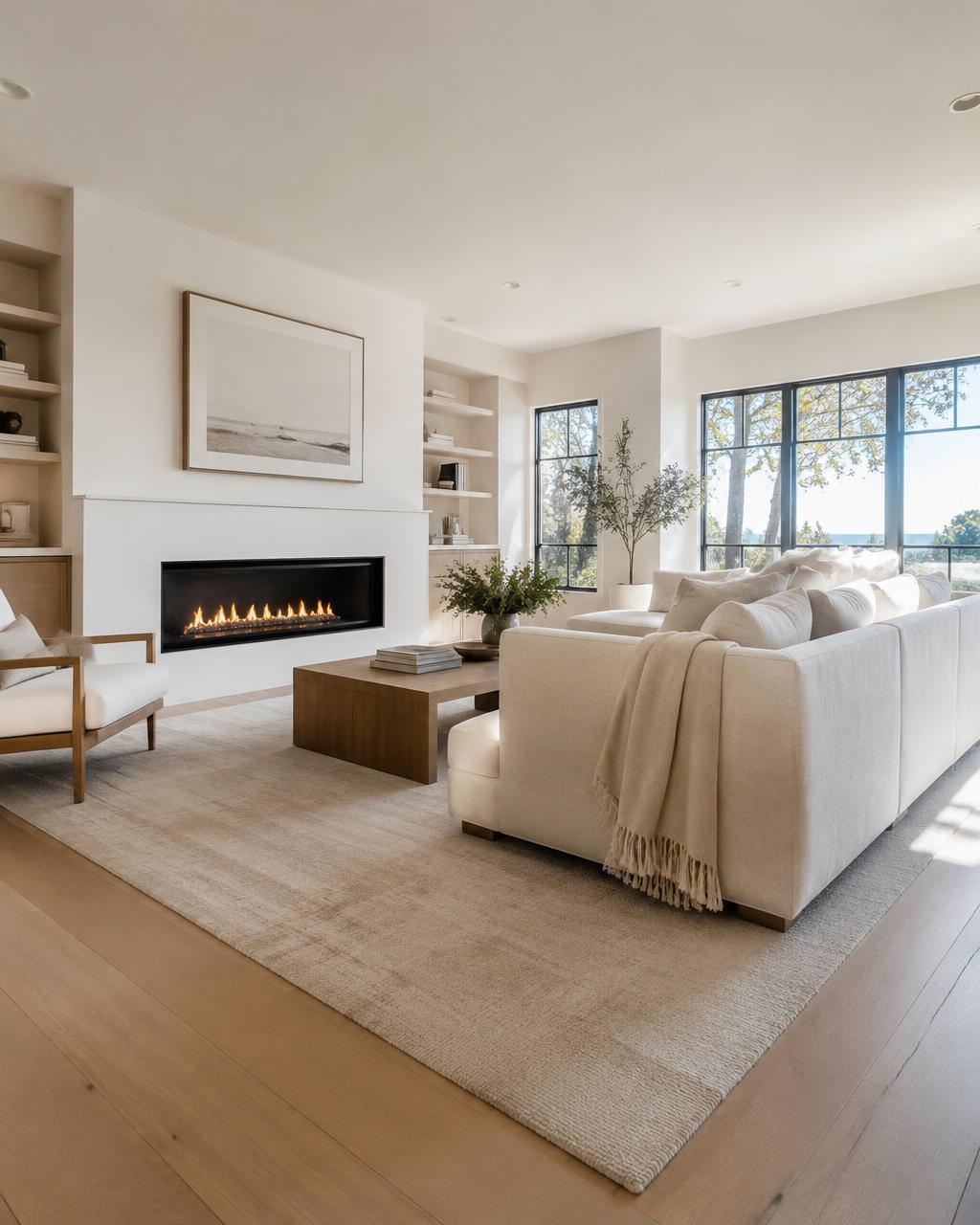
Buying a View Heights bungalow? Learn which inspections, permit records, and repair estimates to review before removing your inspection contingency.

By Obie Nwabuzor
Founder, Obie Nwabuzor Group · Compass · DRE# 02020522
What should I check before removing inspection contingencies on a View Heights bungalow?
Before removing your inspection contingency on a View Heights bungalow, review the general inspection, investigate any drainage or foundation concerns, verify material alterations, and obtain estimates for significant repairs. We recommend resolving unanswered questions with qualified specialists first, then checking your purchase agreement’s deadlines and options with your agent and, when needed, a real estate attorney.
View Heights has classic Craftsman and Spanish bungalows, Minimal Traditional cottages, and small duplexes, with much of the neighborhood built between the 1920s and 1940s. That character is part of the appeal. It also makes the condition of the individual property more useful to your buying decision than its appearance alone.
Our approach is to separate three things: what is visibly appealing, what is documented, and what still needs investigation. An older home does not need to be perfect, but you should understand the significant risks you are accepting.
Which inspections should I prioritize for a View Heights bungalow?
Start with a general home inspection, then use its findings and the seller’s disclosures to decide which specialists to bring in. A general inspection is a starting point—not a substitute for every specialized evaluation. Ask the inspector what was accessible, what was tested, and what fell outside the inspection’s scope.
For a period bungalow, we would pay particular attention to these areas without assuming that any specific home has a problem:
- Roof: Ask about visible condition, evidence of leaks, prior repairs, and whether a roofer should evaluate areas the inspector could not assess.
- Electrical: Have a licensed electrician investigate flagged wiring, panel, grounding, or capacity concerns, especially if your plans include additional electrical demand.
- Plumbing and sewer: Ask about visible supply and drain materials, leaks, pressure concerns, and whether a sewer camera inspection is appropriate.
- Foundation and underfloor areas: Review observations about cracking, moisture, supports, and access limitations. Refer structural questions to a qualified structural engineer.
- Wood-destroying organisms: Consider an appropriate specialist inspection rather than treating fresh paint or intact flooring as evidence that concealed areas are sound.
Heating, cooling, and ventilation also deserve attention. Ask what equipment serves the home, whether it was tested, and what further evaluation is recommended. For potential hazardous materials associated with older construction, consult a qualified environmental professional before planning demolition or invasive work.
The key question is not simply, “Did the inspector find something?” It is, “Do we understand what the finding means?” A recommendation for further evaluation is an unfinished task, not a repair estimate. Our buyer guidance starts with matching those tasks to your contract timeline and comfort level.
Do View Heights’ gentle slopes require extra drainage or foundation checks?
View Heights sits on gentle slopes near Leimert Park and the View Park hills. That setting makes it worth looking closely at how water moves across the specific lot. A gentle slope is not proof of a structural problem, and a level-looking yard is not proof of good drainage.
During inspections, ask where roof runoff goes, whether soil slopes toward the building, and whether water appears to collect near foundations, steps, garages, or retaining features. Look for evidence that deserves explanation rather than trying to diagnose it yourself.
Useful questions include:
- Are there moisture stains, damp underfloor areas, or signs of repeated patching?
- Do downspouts discharge near the house, and what drainage improvements have been made?
- Are cracks or uneven floors cosmetic, structural, or not yet understood?
- Are retaining walls or other site features present, and who should evaluate them?
A structural engineer can assess structural concerns. A drainage specialist, civil engineer, or geotechnical professional may be appropriate depending on the issue and recommendations from your initial inspections. We would ask the relevant professional to define the scope before ordering work.
Weather also affects what an inspection can reveal. If conditions are dry, ask about the limits of that observation and request available information about past water intrusion or drainage repairs. Do not treat a dry inspection day as a complete history of the property.
Before accepting a significant drainage or structural issue, seek a written explanation of the recommended work, remaining uncertainty, and any additional investigation needed. A broad assurance that something is “normal for an older home” is not enough to build a repair budget around.
How should I verify additions, garage changes, and other alterations?
View Heights homes often have detached garages, and a bungalow’s current layout may differ from its original configuration. If you see an added bathroom, enclosed porch, converted garage, or other substantial alteration, ask what documentation supports it. Do not assume that an attractive finish establishes permit status or approved use.
We recommend comparing the seller’s disclosures, available property records, listing information, and the actual layout. Differences are a reason to investigate, not an automatic conclusion that work was improper.
Ask for available permits, approved plans, inspection signoffs, warranties, and contractor invoices. These documents answer different questions: an invoice can show that someone performed work, but it does not necessarily establish that required approvals were obtained.
Because View Heights is in the City of Los Angeles, direct permit and approved-use questions to the relevant city building department. A qualified local architect or contractor can help evaluate what the records mean for your intended project. For legal questions about disclosures or your obligations, consult a California real estate attorney.
Verify future plans as carefully as existing features. If your purchase depends on converting a garage, adding space, or creating rental income, get professional guidance on feasibility before treating that plan as part of the home’s value to you. An existing room is not, by itself, confirmation of an approved separate dwelling.
For a duplex or a property marketed with additional living space, ask your lender how the documented property configuration affects financing. Bring rental-use and tenancy questions to an appropriate attorney, and tax questions to your tax adviser. Those answers should come from the professionals responsible for them—not from assumptions made during a showing.
How do I decide whether to proceed, request repairs, or pause?
Once the reports are in, turn the findings into a decision sheet rather than reacting to the length of the inspection report. A long report can contain many manageable maintenance items; one unresolved structural or use question may matter more than all of them combined.
We suggest three categories:
- Resolve before deciding: Significant safety concerns, unexplained movement, active leaks, material permit questions, or findings that need specialist evaluation.
- Price and plan: Repairs you understand well enough to obtain credible estimates and schedule after closing, if that fits your circumstances.
- Maintain over time: Routine upkeep and cosmetic changes that do not drive your purchase decision.
Get written estimates for major work where possible. Ask whether each estimate includes investigation, access, permits where required, removal, restoration, and related work. A plumbing repair, for example, may involve opening and restoring finished surfaces. The lowest visible line item may not describe the whole project.
Then review the purchase as a complete financial commitment: funds needed to close, lender requirements, insurance availability and cost, immediate repairs, and a reserve for uncertainty. Speak with your lender before assuming a seller credit can be structured or used the way you intend. Ask an insurance professional about coverage for the specific property rather than relying on another buyer’s experience.
Depending on your agreement and circumstances, the next step may be a repair request, a proposed credit, a request for more investigation time, proceeding as agreed, or discussing cancellation options. None of these is automatic, and the seller is not required to accept your proposal simply because an inspection identified work. Have your agent explain the applicable process and consult an attorney for legal interpretation.
Our local record includes a home we leased on West 58th Place and a home listed for sale on South Harcourt Avenue. Those connections inform our work in View Heights, but we never use one property’s condition as a shortcut for another’s. You can explore the neighborhood’s housing context in our View Heights guide; the final decision still belongs to the house, reports, and contract in front of you.
Frequently Asked Questions
Should I waive inspections to make my View Heights offer stronger?
We would not recommend treating an inspection waiver as a routine way to compete for an older home. Discuss the potential exposure, available information, and alternatives with your agent, and ask a real estate attorney about the legal consequences of the specific terms you are considering.
Is a sewer inspection necessary for every View Heights bungalow?
We would discuss it early rather than assuming the general inspection covers the buried sewer line. Ask your inspector and a qualified plumbing professional whether a camera inspection is appropriate, what portions can be accessed, and what the results can and cannot establish.
Can I rely on inspection reports provided by the seller?
Seller-provided reports can be useful, but check their dates, scope, access limitations, and whether recommended follow-up was completed. Ask the inspector about reliance and consider independent inspections appropriate to your own decision.
What if my View Heights inspection deadline arrives before specialist reports?
Tell your agent as soon as the timing problem becomes clear and discuss requesting a written extension under your agreement. Do not assume the deadline has changed because an appointment is scheduled; seek legal guidance if your rights or obligations are unclear.
Should I accept seller repairs instead of a credit?
It depends on the work, documentation, lender requirements, and negotiated terms. If considering seller repairs, clarify the scope, qualified contractor requirements, permits where applicable, completion timing, and how the work will be verified; review any proposed credit with your lender.
Ready to review a View Heights bungalow with our team?
Bring us the address, your inspection deadline, and the questions that could change your decision. We will help organize the available information, identify where specialist advice is needed, and discuss the next steps without minimizing the tradeoffs.
Talk with Obie’s team about your View Heights purchase. Obie Nwabuzor Group at Compass | Obie Nwabuzor, DRE# 02020522.
Your next step
Want advice for your situation?
Answer four quick questions and Obie will follow up with a plan that fits your goals and timeline.